
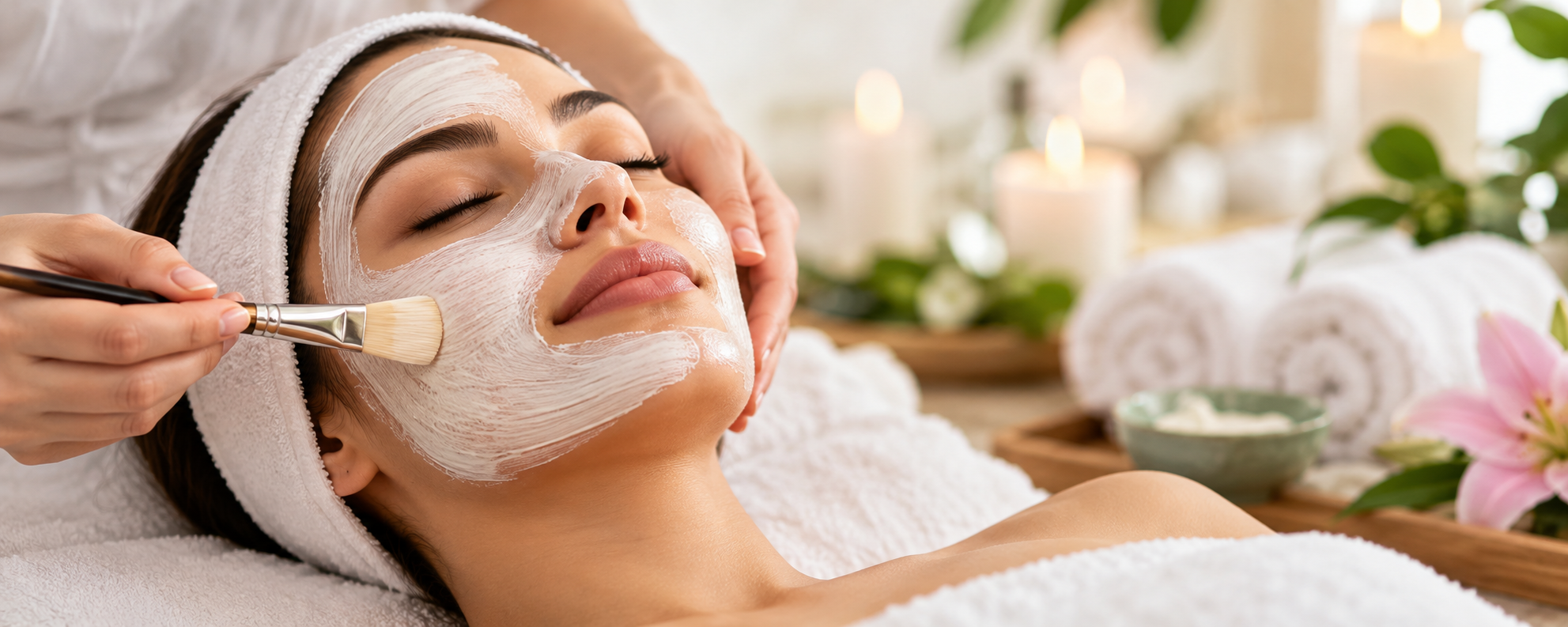
The menu at salon is a mess since it offers an organic facial, a classic facial, a deep cleansing, a brightening treatment, a hydrating treatment and all of them promise to give the skin a glowing appearance; moreover, the organic facial is more expensive as well, so you start to question what you’re really paying for.
In short, the products. That’s about all.
Organic first
Envision the typical routine: cleanse, scrub a bit, mask, and then moisturise. Most therapists include a facial massage, and frankly that’s the part that people recall. With an organic facial the types of bottles are different; you’ll find aloe, plant oils, herbal extracts, and the aroma will be more like rose or chamomile rather than the ordinary creamy smell that is common in many places.
However, the term “organic” is one that is difficult to define. There are some brands that actually have certification, showing it on the package with a logo from an official organization. Many do not, instead using plant-based ingredients and yet still stating that the menu is organic. In this case, there is no logo and no certification. If it’s important to you, then find out which brand they are using and take two minutes to look it up.
Then the regular one
The steps are the same, the difference lying in the number of options available to the therapist. Typical facials can make use of plant extracts, laboratory-produced ingredients such as hyaluronic acid or niacinamide, or a combination of both. Therefore, if your cheeks are dry but your forehead is oily, you could end up with two different masks on one face. This situation is more common than you might think.
By the way, ‘regular’ doesn’t mean ‘harsh’. People tend to think that it does. There are many synthetic products that are gentle, and a great many of the creams designed for sensitive skin are entirely lab-produced.
Which one wins?
Neither. Sorry.
If you’re interested in plant-based products, you’ll most likely prefer the organic one and that provides a reasonable basis for choosing it. If you have a problem that’s difficult to deal with, such as pigmentation or breakouts that keep returning, a regular facial usually gives the therapist a wider range of more specific treatments.
Price is also a factor. Organic products tend to cost a bit more since the products themselves do, but spending more doesn’t ensure better skin. Instead, you should consider what you actually receive: the length of the session, what is included, and who is carrying out the procedure.
By no means should you think that natural substances are safe, since essential oils such as lavender, citrus and peppermint often cause allergies. Poison ivy is also a natural product. If your skin is prone to reacting, you should let the therapist know before any container is opened and request a patch test for any new product.
How to pick
Recall the past couple of weeks: even after having applied moisturiser was it still dry? Did it shine up by lunchtime? Has a new serum caused you to turn red?
Take the answers along and consider what is on your face and why. A good therapist won’t object to this. The fact that they can’t identify what they’re using indicates something.
Here’s a practical tip: if you have an event scheduled, it’s best to book your facial one week or two weeks in advance since new products may cause some redness or breakouts, something you don’t want to see in your wedding photographs.
Moreover, don’t pay any attention to the Instagram buzz. The thing that worked for your friend may fail to work for you.
It doesn’t make any difference whether you select organic or regular; in either case you’ll receive almost the same treatment, so pick the one that leaves your skin feeling calm.